
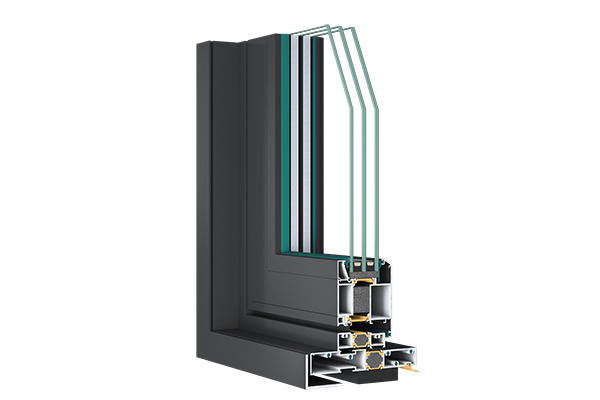
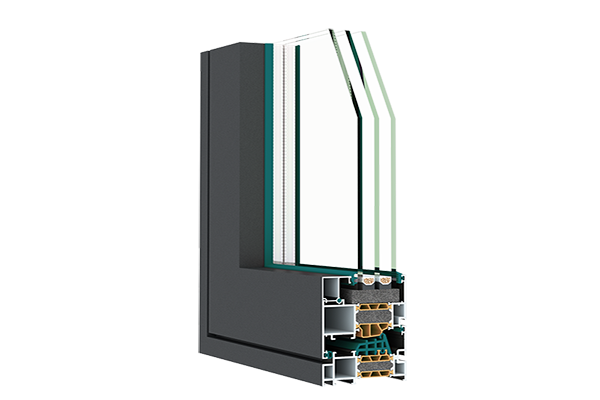

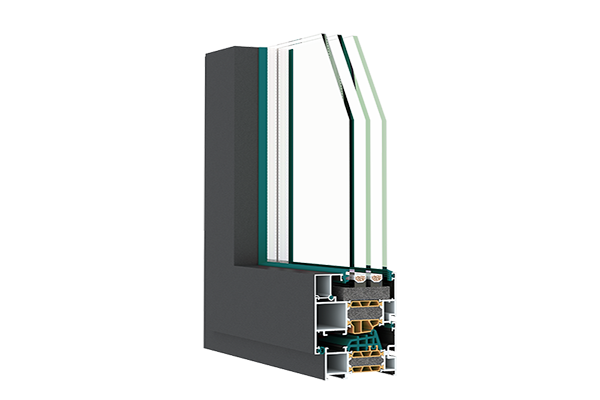


If your Aluminum Alloy Casement Window becomes difficult to open or close, requires excessive force, or shows a narrow overlap between the frame and sash, the possible causes include:
1、Window frame deformation and loose or detached sealing strips.
2、Damaged hardware components.
3、Poor installation quality, exceeding allowable tolerances and lacking timely adjustment.
Preventive Measures
1. The installation of the Aluminum Alloy Casement Window must strictly follow the proper installation procedures, with each step inspected in time.
2. Both the window frame and opening must have center lines marked. When placing the frame into the opening, align it with the center lines, temporarily fix the corners, and carefully adjust verticality, horizontality, and squareness to ensure all deviations fall within allowable limits.
3. Before inserting the sash into the frame, check the diagonal deviation and flatness. After installation, use a steel ruler to inspect the overlap width between the sash and frame, as well as surrounding gaps, until all meet requirements.
4. Install all corresponding hardware parts and replace any damaged ones promptly.
5. After installation, handle the Aluminum Alloy Casement Window with care—avoid hanging heavy objects on it, prevent impact forces, and open/close it gently.
Other Possible Issues After Installation
After installation, issues such as cracks at the connection between the window frame and wall, or sash vibration when opening sliding windows, may occur.
These quality problems are generally caused by:
1. Improper window material selection—undersized profiles or insufficient profile thickness.
2. Unstable connection between the window frame and wall, or improper installation method.
3. Unreasonable structural design during assembly of combined windows, leading to weak connections and deformation under load.

Preventive Solutions
1. Select appropriate profiles for the Aluminum Alloy Casement Window based on the window opening size and installation height.
2. Use proper and reliable connection methods when installing the window frame.
3. When installing combined windows, ensure the correct placement of mullions and transoms. Maintain structural rigidity, ensure proper spacing and specifications of connection parts, and secure all joints firmly.
Water Leakage Issues
During daily use, you may notice water leakage around the connection between the Aluminum Alloy Casement Window frame and the wall. The causes are mainly:
1、Cracks at the connection between the window frame and the wall, and lack of sealing during installation, allowing rainwater to seep indoors.
2、Improper assembly of combined windows — no sleeve connection, no overlapping structure, and no sealant applied during installation.
Measures to Prevent Water Leakage
1. Because aluminum alloy profiles and wall materials have different thermal expansion coefficients, temperature changes can easily cause capillary cracks at their joints.
To prevent this, use an elastic connection approach during installation. Insert wooden strips on the outer side of the frame and leave a 5 mm × 8 mm gap to prevent direct contact between the frame and cement mortar.
Clean dust and debris from the groove before applying sealant. Apply sealant continuously and evenly around the inner and outer junctions, ensuring firm adhesion without gaps.
2. When assembling combined window components, use sleeve or overlapping joints and seal them with sealant. Avoid connecting two flat surfaces directly.
We hope this information is helpful. If you are interested in more content about Aluminum Alloy Casement Window, feel free to visit our website for additional articles.
