





Quality Requirements
1. Key Control Items
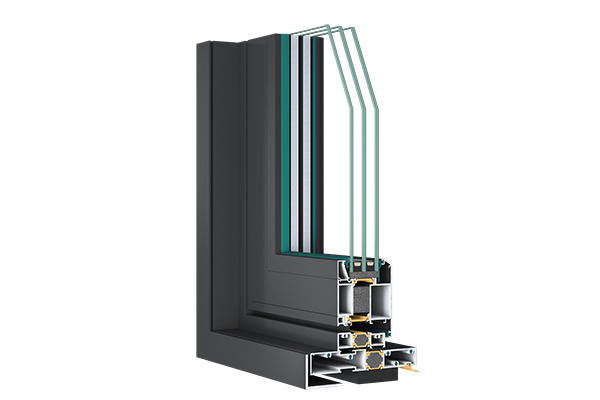
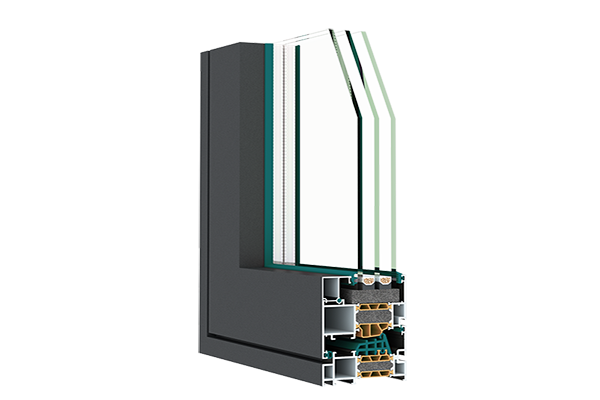
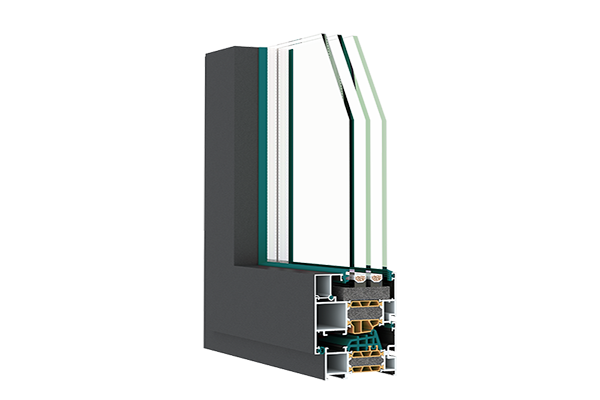
1. The type, model, specification, size, performance, opening direction, installation location, connection method, and profile wall thickness of the Thermal Insulation Passive Window must all meet the design requirements.
2. The frame of the Passive Window must be firmly installed. The number, position, embedding method of the embedded parts, and the way they are connected to the window frame must strictly follow the design specifications.
3. After installation, the Passive Window should be stable and reliable. It should open and close smoothly, seal tightly, and not show any deformation or warped corners. Sliding windows must also be equipped with anti-detachment devices.
4. All hardware accessories of the Thermal Insulation Passive Window must have models, specifications, and quantities that comply with the design requirements; they must be firmly fixed during installation, accurately positioned, and fully functional for normal use.
2. General Items
1. The doors and windows must be solid and reliable, with horizontal and vertical alignment and consistent elevation. The gap between the frame and the wall must be fully and firmly filled, with a flat and smooth surface, free of cracks. Materials and methods used should comply with design requirements.
2. The model, size, opening direction, and installation location of all doors and windows must follow the design. Once the window sashes are installed, the appearance should be clean and tidy, without noticeable scratches, dents, or rust.
3. The surface of the Thermal Insulation Passive Window should be kept clean, smooth, and flat, with uniform color and no corrosion. Large areas must be free of scratches or dents, and the paint film or protective layer on the surface should not be damaged.
4. The gap between the Passive Window frame and the wall must be fully filled and sealed with sealant. The surface of the sealant should be straight, smooth, and free of cracks.
5. For Passive Windows with drainage holes, the holes must remain unobstructed. Their positions and quantity must meet design requirements, and drainage covers should be installed as specified.
6. Doors and windows must open smoothly, without warping, jamming, or rebound. Hardware must be complete and correctly installed. When doors and windows are closed, the sealing strip must be in a compressed state.
Finished Product Protection
1. Thermal Insulation Passive Windows must be elevated and leveled when stored, and arranged neatly. Windows with drip edges already installed must be properly supported during storage to avoid damage.
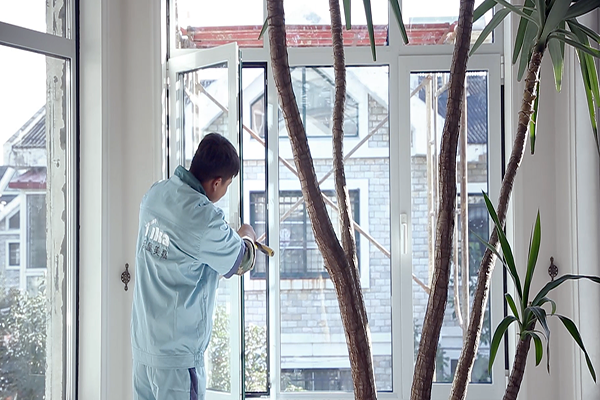
2. Before installation, check that the protective film on the window is intact. After installation, use wooden strips to secure both sides of the frame. Materials should never be carried through the window opening to avoid bumps and damage.
3. Before plastering, protect the Thermal Insulation Passive Window with plastic sheeting. Do not remove the protective film until indoor wet operations are completed to prevent mortar from corroding the window surface.
4. If there is adhesive residue on the surface of the Thermal Insulation Passive Window, gently clean it with cotton soaked in a special solvent. If scratches are found locally, repair them with a small brush dipped in colored liquid.
Construction Precautions
1. Before construction, carefully read the installation guide and product manual to understand the installation requirements and precautions for the Thermal Insulation Passive Window.
2. Keep the site clean and safe during installation. Always wear personal protective equipment, including safety helmets and gloves.
3. Use the dedicated screws and fasteners provided for the window frame and sash to ensure stability and prevent loosening.
4. When installing the window frame, repeatedly check alignment using a level and plumb line to ensure proper fit with the wall. Use tools such as rubber shims for minor adjustments.
5. When installing the glass, use adhesive or sealant to secure it, ensuring the gap between the glass and frame is properly sealed to prevent water leakage or drafts.
6. When installing the door sash, ensure it is flat and opens and closes smoothly. Adjust the position as needed, and apply lubricant if necessary for smooth operation.
7. After installation, carefully inspect the entire window to ensure all components are firmly installed and there is no loosening or deformation.
8. Once installation is complete, clean the windows and take care to protect the surface from scratches or other damage.
We hope this article is helpful. If you are interested in purchasing window products, please visit our website. We look forward to working with you.
