






Weather resistance: EPDM strips have excellent weather resistance and can be used for a long time under harsh environments such as severe cold, intense heat, dryness and humidity. They also have good resistance to the erosion of rain, snow and water.
Heat aging resistance: EPDM strips have strong resistance to heat aging in air. They can be used for a long time at 100 - 120 °C, and can maintain effective physical properties for a considerable period of time at 140 - 150 °C. They can withstand high temperatures of 230 - 260 °C for a short time.
Chemical resistance: EPDM strips have good resistance to various polar chemicals such as alcohols, acids, alkalis, oxidants, refrigerants, detergents, animal and vegetable oils, ketones and esters.
Resistance to water vapor: EPDM strips have excellent resistance to water vapor, which is even better than their heat resistance. There is no change in appearance after nearly 100 hours in superheated steam at 230 °C.
Electrical insulation: EPDM strips have excellent electrical insulation performance, low water absorption and good insulating characteristics.
Physical-mechanical properties: EPDM strips have relatively high tensile strength, tear strength and small compression set. Meanwhile, they have good elasticity and anti-fatigue performance.
Processing performance: EPDM strips have a relatively low Mooney viscosity, good processing performance, and are easy to mix and extrude for molding.
Cost advantage: EPDM strips can be filled with a large amount of oil and fillers, thus reducing the cost of rubber products.
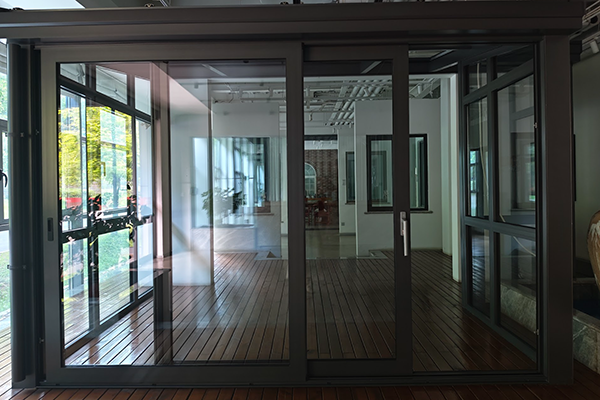
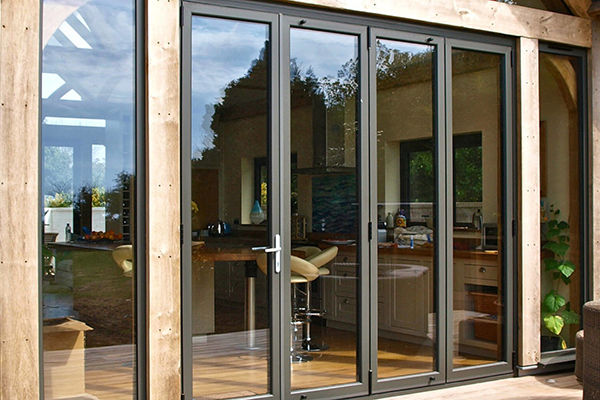
In conclusion, it is precisely because EPDM has such excellent physical properties, machining properties and cost advantages that thermal-insulated aluminum alloy system windows all adopt EPDM sealing strips.
Liaoning E-Taifeng uses the best rubber strips for its windows.
