



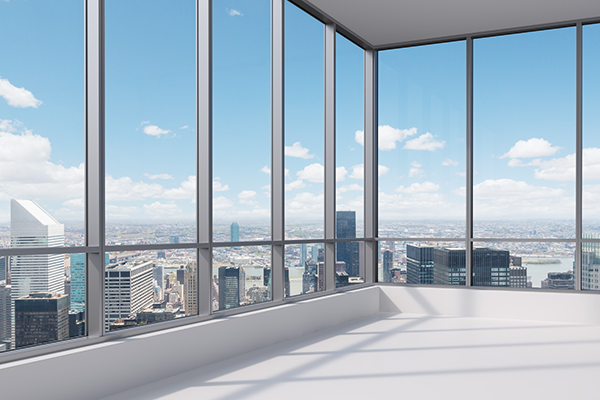
In achieving the goals of improving the thermal performance of residential buildings, enhancing the visual appeal of the facade, and reducing air and moisture penetration, residential curtain wall systems are becoming the choice for more and more high-end residential and renovation projects.
Unlike simply replacing windows and doors or adding external insulation layers, curtain wall systems can often address multiple issues simultaneously in a single renovation, including energy consumption, durability, leak prevention, and architectural appearance upgrades. So, how exactly do residential curtain wall systems work? And why do they perform so well in these areas?
Below, we'll start with the basic concepts of curtain wall systems.
What is a residential curtain wall system?
Simply put, a curtain wall system is a building envelope system that does not bear the load of the main structure, usually composed of metal profiles, glass, and sealing structures. It is not responsible for "supporting the house," but rather acts as an outer "protective shell" for the building, providing insulation, sealing, wind resistance, waterproofing, and aesthetic decoration.
In residential buildings, the curtain wall system is more like a precisely designed "outer garment":
The internal structure is responsible for load-bearing.
The curtain wall system is responsible for isolating the building from external environmental influences.
Through reasonable profile structure design, joint treatment, and sealing methods, the curtain wall can effectively cope with temperature changes, wind pressure, rain and snow, and even resist strong winds and earthquakes to a certain extent.
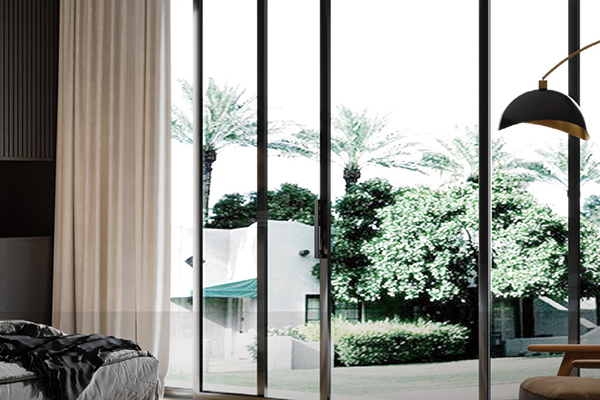
If you understand it from an appearance perspective, you can think of the curtain wall as a complete facade system composed of glass and metal that wraps around the outside of the building. It can be installed as an additional facade on the outside of the existing building, or it can be used to completely replace non-load-bearing walls, creating a transparent, modern "glass house" effect.
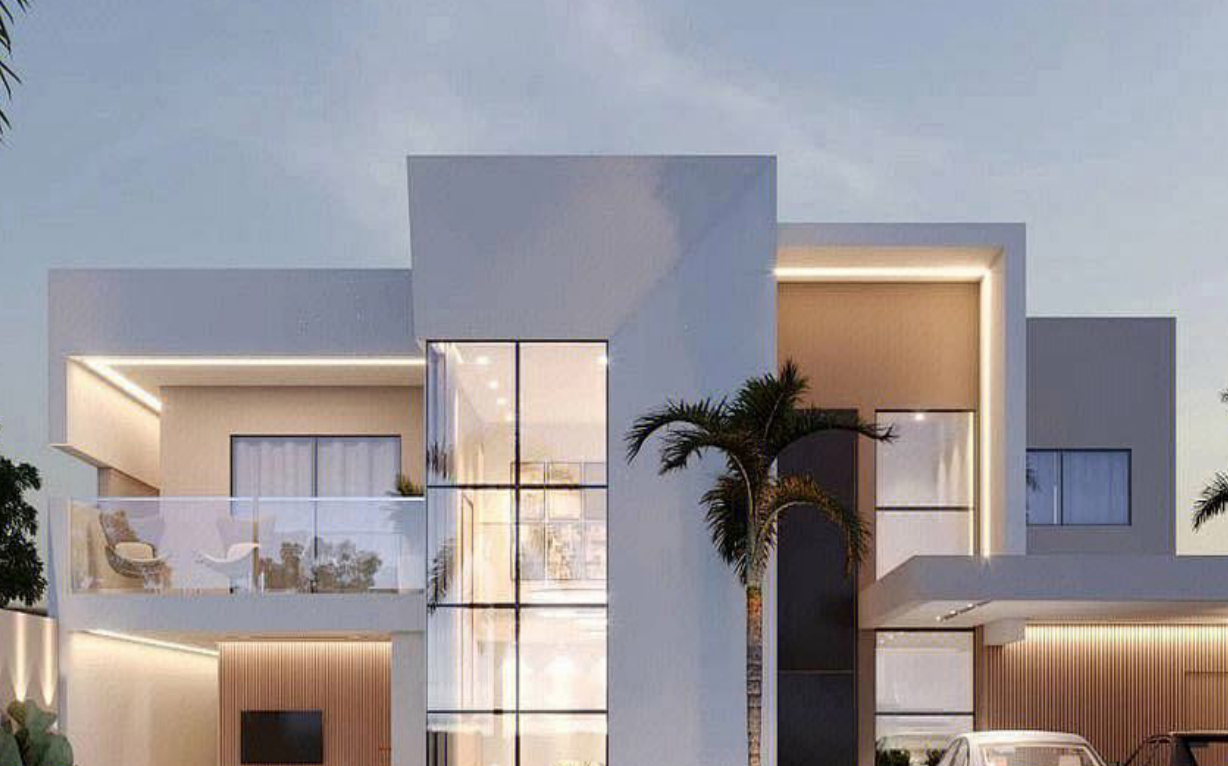
How do residential curtain wall systems achieve sealing and protection?
Different types of curtain wall systems use different working principles to improve airtightness, watertightness, and thermal performance. The common approaches mainly include three types:
1. Pressure-balanced curtain wall system
Through reasonable cavity structure design, the pressure inside and outside the curtain wall is balanced, thereby reducing the penetration of rainwater and air into the building due to pressure differences. This system requires high precision in joint design and construction, but its overall performance is very stable.
2. Fully sealed curtain wall system
It relies on high-performance sealing strips and structural sealants to block the entry of air and moisture as much as possible. This type of system structure is relatively straightforward and suitable for residential projects with specific requirements for construction time and cost.
3. Drainage Management Curtain Wall System
This system allows a small amount of water to enter the interior, but through hidden drainage channels and weep holes, the water is systematically drained, preventing water accumulation from damaging the structure and insulation layer.
In actual residential applications, a combination of various technical methods is often used, rather than a single form, based on factors such as building height, climate conditions, and service life.
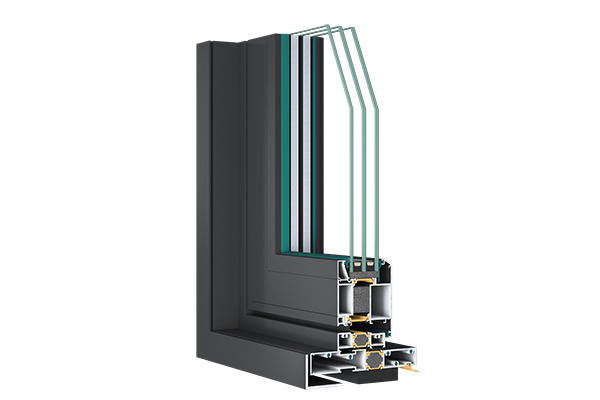
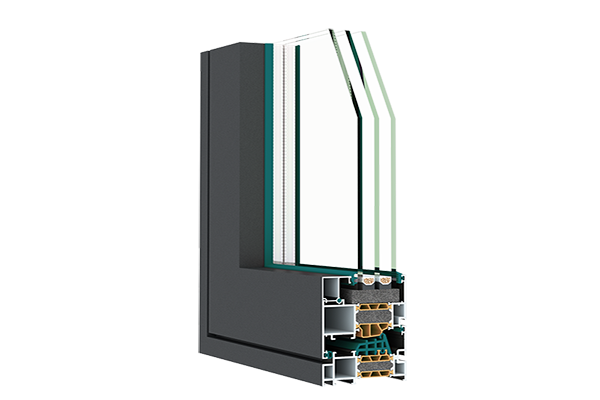
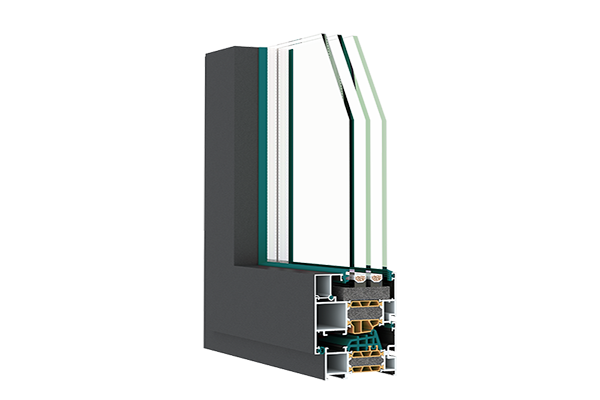
When choosing a curtain wall system for residential projects, the combination of multi-chamber structures, thermal break profiles, and double-glazed or laminated glass allows the curtain wall to significantly reduce heat exchange, improving indoor insulation and energy efficiency, while effectively reducing air and moisture penetration. This is especially important for older buildings or residences with high demands on the indoor environment. In existing building renovations, curtain walls can also add a protective layer without damaging the original wall, slowing down structural aging and reducing corrosion risks. Furthermore, the combination of glass and metal facades can give residences a more modern appearance and feel, a visual effect that is difficult to achieve with simply adding insulation or paint. For this reason, curtain wall systems are increasingly being used in high-end residences, villas, and urban renewal and old building renovation projects.
Choose Etaifeng, making residential curtain walls more reliable.
If you are researching residential curtain wall systems or considering introducing this solution into new construction or renovation projects, Etaifeng's system doors, windows, and curtain wall team can provide you with professional support.
From initial design and system selection to processing, manufacturing, and on-site installation, we focus on the long-term performance of the curtain wall system in real-world environments, not just the parameters themselves. Through mature engineering experience and attention to detail, we help residential projects achieve a true balance between safety, comfort, and aesthetics.
If you would like to learn more about how residential curtain walls are applied in actual projects, please feel free to contact us to see if it is suitable for your building.
