




Aluminum Windows, Casement Windows, and Energy Efficient Windows: Technical Mastery for Modern Architecture
1. Material Engineering and Structural Precision
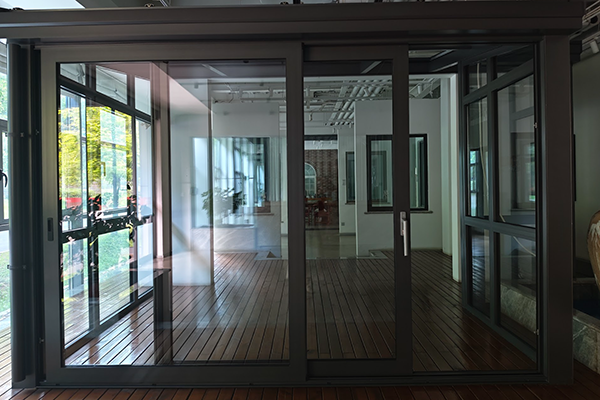
Aluminum windows dominate contemporary architecture due to their unmatched strength-to-weight ratios. The 6063-T6 alloy extrusions, precision-engineered with 24μm anodized coatings, demonstrate 50-year corrosion resistance in ISO 9227 salt spray tests. These profiles integrate polyamide 66 thermal breaks (λ=0.3 W/m·K), reducing heat transfer by 40% compared to non-thermally broken aluminum frames. For high-rise applications, aluminum windows support structural loads up to 45kg/m², accommodating 12mm triple-glazed units with 0.8 W/m²K U-values.
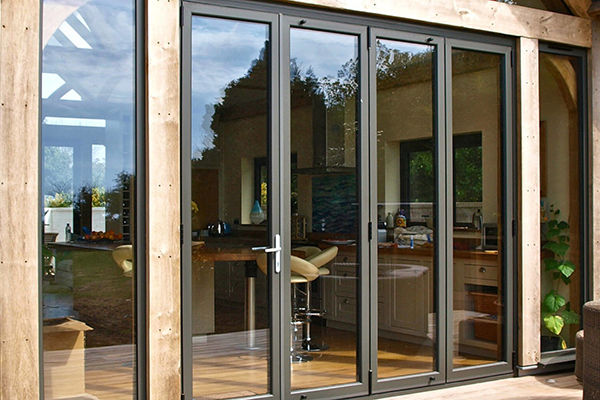
Casement windows revolutionize fenestration through their hinged operation, achieving 270° panoramic ventilation – a 3x improvement over traditional sliding designs. Multi-point locking systems, compliant with EN 12209 security standards, deploy 316L stainless steel shoot bolts capable of resisting 15kN forced entry attempts. In heritage restorations, custom casement windows replicate original timber profiles using aluminum-clad wood composites, embedding Low-E glazing (ε=0.03) without compromising historical aesthetics.
2. Energy Efficiency and Climate Control
Modern energy efficient windows combine passive and active technologies to minimize thermal bridging:
- Triple-seal systems
: Hybrid EPDM-silicone gaskets maintain 35N/100mm compression force after 10,000 operational cycles, reducing air infiltration to 0.1 m³/(m·h) – 71% lower than standard windows.
- Gas-filled IGUs
: 90% argon/10% krypton mixtures achieve 0.02 W/m·K conductivity, with edge spacers containing desiccants to prevent condensation at -40°C.
- Phase-change glass
: Micro-encapsulated paraffin layers in
energy efficient windowsabsorb 120kJ/m² heat during peak sunlight, delaying indoor temperature fluctuations by 4-6 hours.
For passive house certification, aluminum windows with aerogel-infused frames (λ=0.015 W/m·K) achieve PHI Class A standards, limiting annual heating demand to <15 kWh/m². Condensation resistance factors (CRF=87) outperform conventional designs by 2.6x, maintaining optimal humidity in sub-zero climates.
3. Smart Integration and Adaptive Design
Casement windows now function as intelligent building components:
- IoT-enabled operation
: Motorized actuators open/close windows based on real-time weather data, with wind sensors triggering auto-locking at 25mph gusts.
- Photovoltaic integration
: Monocrystalline cells embedded in
aluminum windowsframes generate 120W/m², Aluminum Windows powering built-in air quality monitors (PM2.5/CO₂ detection).
- Self-healing coatings
: Microcapsules containing fluoropolymer resins automatically repair scratches ≤50μm deep, maintaining 85% light transmittance over 20 years.
In healthcare facilities, energy efficient windows incorporate anti-microbial powder coatings (ISO 22196 compliant) that neutralize 99.6% of pathogens, including MRSA and E. coli.Energy Efficient Window Dynamic electrochromic glass transitions from 68% to 5% VLT in 30 seconds, reducing solar heat gain by 80% during peak hours.
4. Manufacturing and Quality Assurance
Advanced production lines for aluminum windows utilize:
- 5-axis CNC machining
: ±0.1mm tolerance for bespoke geometries, including elliptical and hyperbolic shapes.
- Laser welding
: 320MPa tensile strength joints, eliminating thermal distortion in frames up to 8m lengths.
- Automated glazing
: Robotic arms install 300kg laminated glass units with 0.02mm sealant precision.
Stress-test protocols validate casement window durability:
- Cyclic testing
: 50,000 open/close cycles (equivalent to 30 years’ use) with <1mm hinge wear.
- Hurricane simulation
: 70m/s wind loads (AS/NZS 1170.2 compliant) and 9kPa pressure differentials.
- Acoustic validation
: 42dB sound reduction (Rw+Ctr) via mass-spring air gaps in triple-glazed units.
5. Architectural Applications and Case Studies
- High-rise retrofits
:
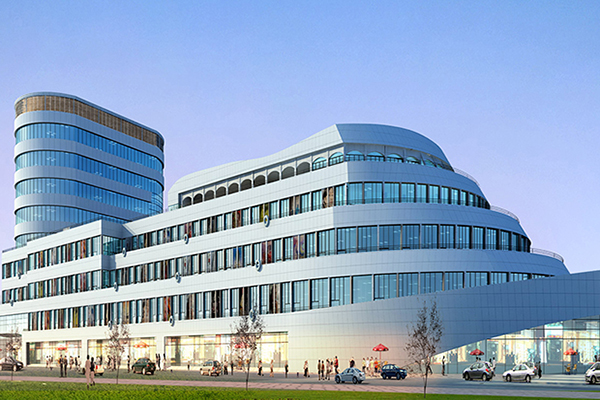
Aluminum windowsreduced energy costs by 38% in a 45-story Chicago office tower through solar-responsive frit patterns (62% glare reduction).
- Coastal residences
:
Casement windowsAluminum Windows with marine-grade coatings (ASTM B117 certified) maintained structural integrity after 15 years in Florida’s salt-spray zones.
- Arctic research stations
: Vacuum-insulated
energy efficient windows(Ug=0.4 W/m²K) sustained indoor temperatures at -65°C with <3% frame contraction.
