




How can the 5 energy-saving technologies improve the thermal break performance of aluminum windows
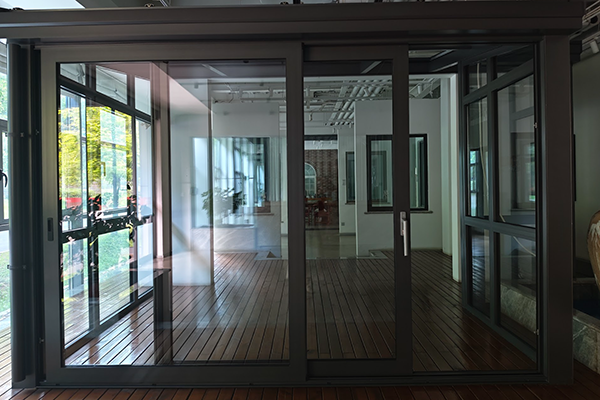
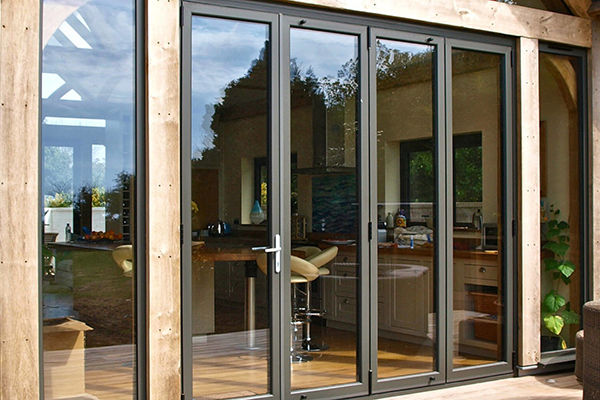
Aluminum windows are prized in modern architecture for their strength, lightweight properties, and design flexibility. However, aluminum’s high thermal conductivity can lead to significant heat loss or gain, undermining energy efficiency in buildings. To address this, five advanced energy-saving technologies—thermal break aluminum, Low-E glass, multi-chambered frames, inert gas-filled glazing, and advanced sealing systems—have been developed to enhance the thermal break performance of aluminum windows. This article analyzes these core technologies and their contributions to improving thermal insulation, reducing energy consumption, and enhancing occupant comfort.
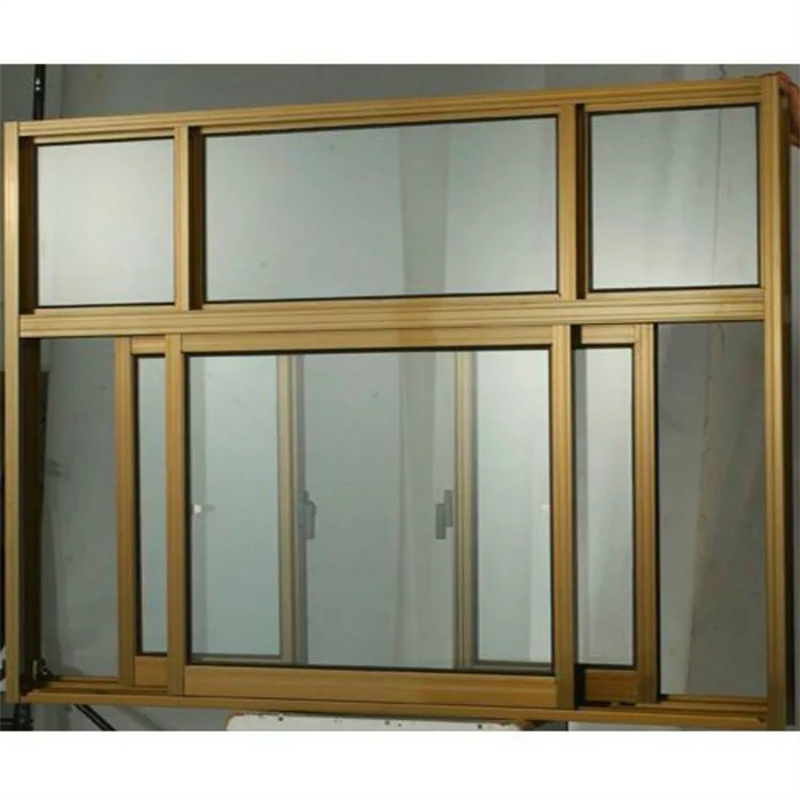
1. Thermal Break Aluminum of aluminum windows
Thermal break aluminum of aluminum windows is a foundational technology for improving the energy efficiency of aluminum windows. Aluminum’s natural conductivity allows heat to transfer easily between a building’s interior and exterior, resulting in energy losses. Thermal break technology mitigates this by inserting a low-conductivity material, such as polyamide or polyurethane, between the inner and outer sections of the aluminum frame. This barrier disrupts the thermal bridge, significantly reducing heat transfer.
The impact of thermal break aluminum is evident in the reduced U-value (thermal transmittance) of the window frame. A standard aluminum window might have a U-value of 5.0 W/m²·K or higher, while a thermal break aluminum window can achieve a U-value of 1.8–2.5 W/m²·K, depending on the frame design. This improvement lowers heating and cooling demands, leading to energy savings and improved indoor comfort. Additionally, thermal breaks reduce the risk of condensation on the interior frame, preventing issues like mold or corrosion.
2. Low-E Glass
Low-emissivity (Low-E) glass is a critical component in enhancing the thermal performance of aluminum windows. Low-E glass features a microscopic metallic coating that reflects infrared heat while allowing visible light to pass through. This selective reflectivity minimizes heat gain in warm climates and heat loss in cold climates, making it highly versatile.
When integrated into aluminum windows, Low-E glass significantly improves the glazing unit’s U-value. For instance, a double-glazed window with a Low-E coating can achieve a U-value of 1.0–1.4 W/m²·K, compared to 2.8 W/m²·K for standard double glazing without Low-E. This reduction in thermal transmittance decreases reliance on HVAC systems, lowering energy costs. Advanced Low-E coatings can be customized for specific climates, optimizing performance in extreme conditions. When combined with thermal break aluminum, Low-E glass enhances the overall insulating properties of the window system.
3. Multi-Chambered Frames of aluminum windows
Multi-chambered frame designs further bolster the thermal break performance of aluminum windows. These frames incorporate multiple air-filled or foam-filled chambers within the aluminum profile, which act as insulating barriers to impede heat flow. The chambers increase the thermal resistance of the frame, complementing the thermal break technology.
The effectiveness of multi-chambered frames depends on the number of chambers and the insulating material used. Frames with three or more chambers, often filled with polyurethane foam, can achieve U-values as low as 1.5 W/m²·K. This design not only enhances thermal insulation but also improves structural rigidity, enabling larger window sizes without sacrificing energy efficiency. By reducing heat transfer, multi-chambered frames contribute to lower energy consumption and a smaller environmental footprint.
4. Inert Gas-Filled Glazing
Inert gas-filled glazing is a powerful technology for improving the thermal performance of aluminum windows with double or triple glazing. The space between glass panes is filled with an inert gas, such as argon or krypton, which has lower thermal conductivity than air. This reduces convective heat transfer within the glazing unit, enhancing its insulating capabilities.
Argon-filled glazing is widely used due to its affordability and effectiveness, lowering the U-value of a double-glazed window by 0.3–0.5 W/m²·K compared to air-filled units. Krypton, though more costly, provides superior insulation, making it ideal for high-performance windows in colder climates. When paired with Low-E glass and thermal break frames, inert gas-filled glazing can achieve U-values as low as 0.8 W/m²·K in triple-glazed systems. Beyond thermal benefits, this technology also improves acoustic insulation, enhancing the overall comfort of the building.
5. Advanced Sealing Systems
Advanced sealing systems are essential for maximizing the thermal break performance of aluminum windows. Air leakage through gaps in the frame or sash can negate the benefits of other energy-saving technologies. High-quality sealing systems, including gaskets, weatherstripping, and silicone seals, create an airtight barrier to prevent heat loss and drafts.
Materials like EPDM rubber or silicone-based gaskets offer durability and flexibility, maintaining performance over time. These seals are strategically placed at key points, such as the frame-sash junction or around the glazing unit, to ensure a tight fit. By minimizing air infiltration, advanced sealing systems improve the window’s overall U-value and energy efficiency. They also protect against water ingress, extending the lifespan of the window system and reducing maintenance costs.
Synergistic Benefits and Practical Applications
The integration of thermal break aluminum, Low-E glass, multi-chambered frames, inert gas-filled glazing, and advanced sealing systems creates a highly efficient aluminum window system. A window incorporating all five technologies can achieve a whole-window U-value below 1.0 W/m²·K, meeting rigorous energy efficiency standards like those of Passivhaus or LEED certifications.
These technologies deliver multiple benefits beyond energy savings. Enhanced thermal insulation maintains consistent indoor temperatures, eliminating cold spots and improving occupant comfort. Reduced energy consumption lowers utility bills and supports environmental sustainability by decreasing carbon emissions. Additionally, the durability of these technologies ensures long-term performance, reducing the need for frequent replacements or repairs.
Conclusion
The five energy-saving technologies—thermal break aluminum, Low-E glass, multi-chambered frames, inert gas-filled glazing, and advanced sealing systems—collectively transform the thermal break performance of aluminum windows. By addressing conduction, convection, and air leakage, these innovations create a robust solution for energy efficiency. Architects, builders, and homeowners can leverage these technologies to achieve significant energy savings, enhance building comfort, and contribute to a sustainable future. As energy efficiency standards continue to tighten, these advancements will remain critical in shaping the evolution of aluminum window design.
Welcome to choose the Aluminum Windows of Liaoning Etaifeng Windoor Co.,Ltd.
Join Our Network Today!
Let’s build the future of architecture together. Our excess production capacity means faster lead times and competitive pricing, giving you an edge in your market. Become a distributor or agent with Liaoning Etaifeng Windoor Co.,Ltd and unlock access to premium aluminum windows, free design support, and exclusive sample corners.
Contact us
david@e-tfeng.com
www.e-tfeng.com
to explore partnership opportunities and start delivering world-class solutions to your clients.
